Manufacturing and processing process of asphalt paver base plate

Manufacturing and processing process of asphalt paver base plate

목차

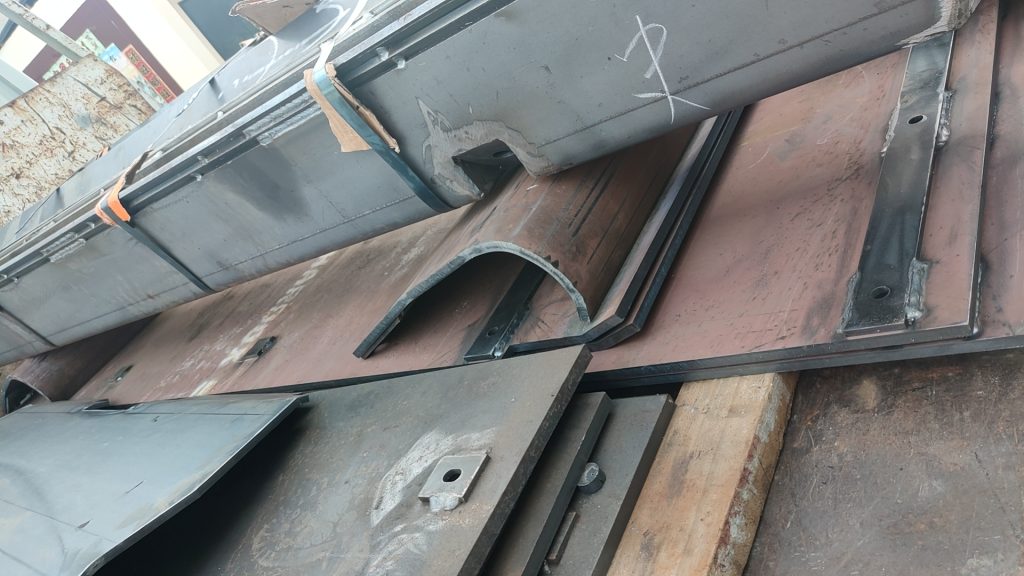
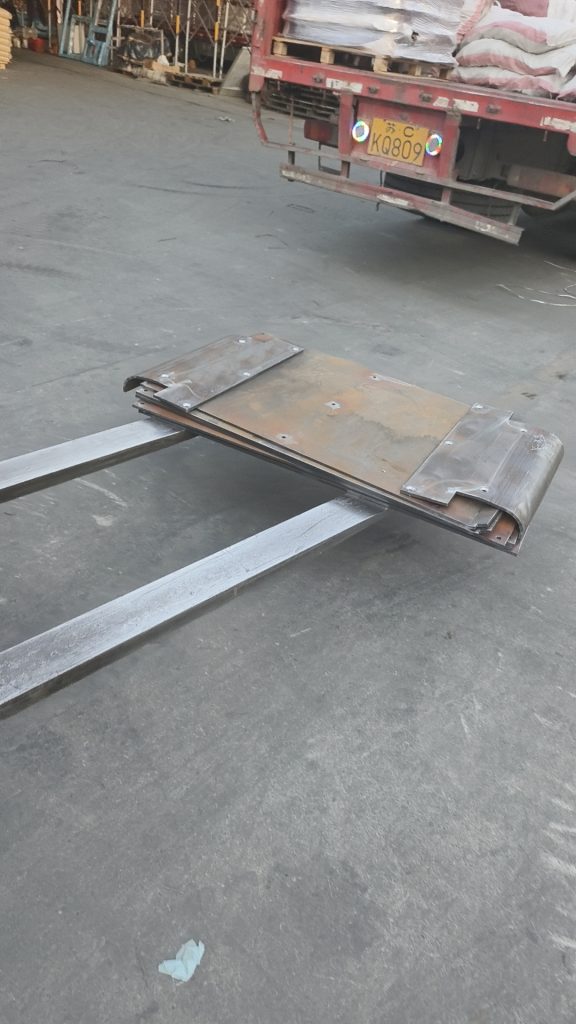
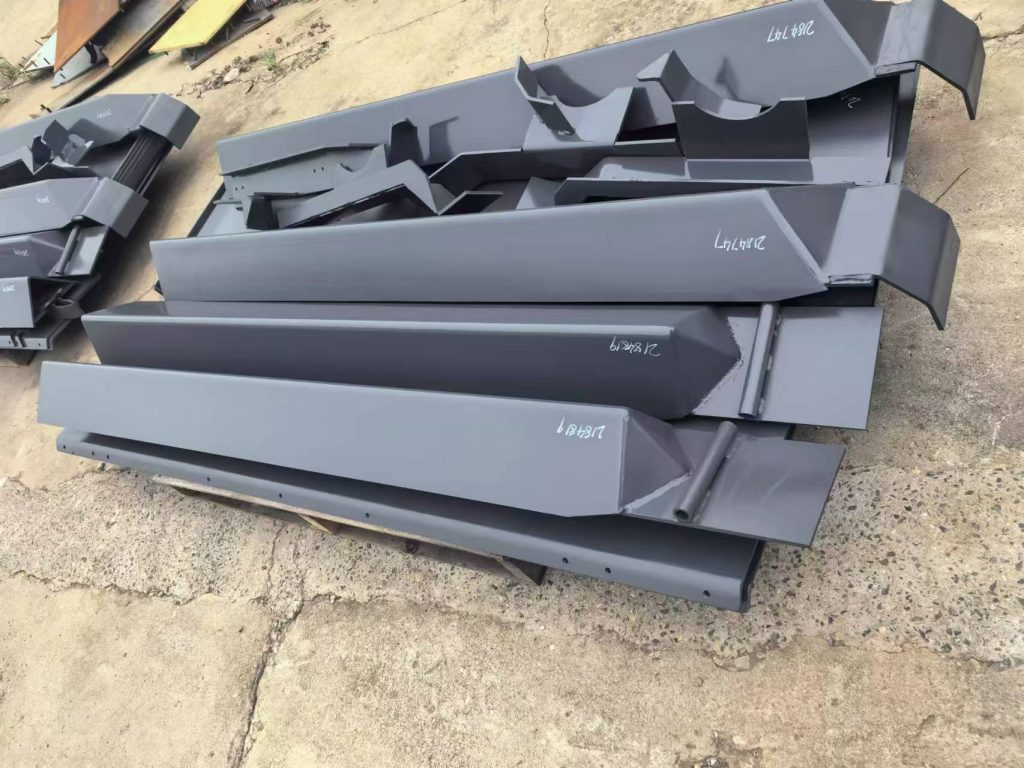
In asphalt pavement paving operations, asphalt paver base plate of the paver is one of the components most severely affected by material wear. When the paver receives asphalt mix unloaded by dump trucks, the hopper floor plate must withstand not only intense impact loads but also high abrasive wear caused by the asphalt mix at temperatures around 150°C. If the floor plate wears thin or even becomes penetrated, it can lead to material leakage and disrupt the normal operation of the blade conveyor. Therefore, manufacturing a high-precision, long-lasting wear-resistant floor plate is crucial for improving equipment availability and paving quality.

Material selection: the cornerstone of wear resistance

The first step in bottom plate processing is material selection. Due to the low hardness of ordinary low-carbon steel (such as Q345A), usually around 150-170HB, it is difficult to resist long-term scratching of sharp stones in asphalt mixtures and is easily worn through in a short period of time.

Modern processing techniques often use high-strength wear-resistant steel plates, such as NM450 or imported Hardox steel plates. This type of steel plate can achieve a surface hardness of about 450HB through heat treatment process, which is several times or even dozens of times higher than ordinary steel plates. This material not only has high hardness, but also has good toughness, which can withstand the mechanical stress of hopper opening and closing and the impact of stone materials.

Cutting and Forming: Overcoming the Difficulty of High Hardness

Wear resistant steel plates have extremely high hardness, which poses challenges for cutting and forming. Ordinary cutting methods are not only inefficient, but also prone to material cracking.

  • Cutting process: Traditional flame cutting is a common method, but it requires strict control of preheating temperature and cutting speed to prevent cracks from forming at the cutting edge. For edges with complex shapes, high-precision plasma cutting has become a better choice for processing wear-resistant plates due to its small heat affected zone.
  • Bending Forming: The bottom plate of the hopper is usually not a flat plate, but has a specific curvature or bending angle according to the structural requirements of the paver hopper. Due to the poor plasticity of high-strength steels such as NM450, direct cold bending is prone to fracture.
    • Cold pressing process: Currently, large bending machines are commonly used in conjunction with specific molds for successive cold pressing molding. Due to the large rebound of high-strength steel, the processing engineer needs to calculate the rebound based on empirical formulas and correct the mold angle through trial pressing (tire testing). For example, a 10mm thick NM450 board may need to undergo three successive presses until the rebound amount stabilizes before reaching the designed arc size.
    • Alternative solution: For circular arc plates with difficult rebound control or smaller diameters, some processes use hot pressing, but attention should be paid to controlling the heating temperature to avoid reducing the original wear hardness of the steel plate due to the “annealing effect”.

Drilling and tapping: the ultimate confrontation of hardness

The installation of the base plate requires a large number of bolt holes for fixing. The high hardness of wear-resistant steel plates makes it easy for ordinary drill bits to burn or break during drilling.

  • Tool selection: Hard alloy drill bits or coated high-speed steel drill bits must be used, and low-speed, high feed cutting parameters must be adopted to avoid work hardening.
  • Process optimization: Due to the extreme difficulty of directly tapping on high hardness materials such as NM450 (taps are prone to breakage), an innovative processing method is to optimize the structural design – eliminating direct tapping on the base plate, and instead machining the threaded plug or nut seat first, and then fixing it on the back of the base plate by welding. This not only solves the problem of connection strength, but also avoids the threading problem of high hardness materials.

Welding and assembly: restoring structural integrity

After long-term use, the wear of the asphalt paver base plate is often uneven, and the wear is usually most severe at the joint between the middle and the hopper flipping.

  • Welding repair: For the repair of the original vehicle floor or the splicing of a new floor, welding is a key process. When welding wear-resistant plates, specific low hydrogen welding rods or high toughness welding wires should be selected.
  • Anti deformation control: The welding process generates heat, which can cause local annealing softening or welding deformation of the steel plate. Therefore, intermittent welding (skip welding method) is often used in processing, combined with the use of fixtures and fixtures for forced fixation, to ensure connection strength while minimizing thermal deformation and warping of the base plate.

Surface treatment and inspection

After processing, the surface of the bottom plate needs to be polished to remove the oxide skin and burrs left by cutting and welding. The flatness of the installation surface needs to be strictly inspected with a level ruler, as any protrusions or indentations can cause the conveyor chain or scraper to become stuck or abnormally worn during operation.


In summary, the processing of wear-resistant bottom plates for asphalt paver hoppers is a transformation process from “hard” materials to “fine” sizes. It breaks through the traditional processing thinking of carbon steel, and ultimately produces core components that can resist high-temperature asphalt abrasion and have a long service life through three core process methods: “selection of high hardness materials, control of rebound forming, and avoidance of hard zone tapping”.

Ma’anshan Datai Machinery Technology Co., Ltd. specializes in the production and sales of asphalt paver hopper bottom plate conveyor chain forced protection, which is matched with VOGELE DYNAPAC BOMAG VOLVO (ABG) CAT, Sany Heavy Industry XCMG. Welcome to contact our sales engineer Mr. Li Chao

Facebook
트위터
LinkedIn

견적 요청하기